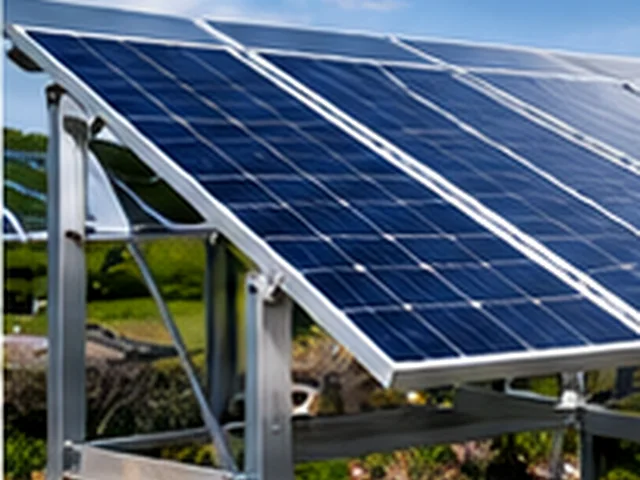
Rooftop and ground-mounted solar projects in India use a mix of galvanised steel and aluminium structures. Aluminium is popular for rooftops, carports and coastal sites because it is light, resists corrosion and is easy to install. Getting the alloy, temper, finish and section design right is what makes the structure last as long as the panels. This guide covers the main decisions for buyers of solar extrusions.
Why aluminium for solar mounting?
- Light weight: reduces load on roofs and makes handling and installation faster.
- Corrosion resistance: a natural oxide layer, improved by anodising or coating, suits humid and coastal areas.
- Design freedom: extrusion allows rails, clamps, channels and T-slot profiles to be made in complex shapes with features built in.
- Recyclability: aluminium structures retain scrap value at end of life.
Choosing the alloy: 6063-T6 vs 6005
6063 in T5 or T6 temper is the most common extrusion alloy in India. It extrudes easily, gives a good surface for anodising and is widely available. 6063-T6 suits most rooftop rails, clamps and light ground structures where sections are designed with adequate depth and wall thickness.
6005 (and 6005A) is stronger than 6063 while still extruding reasonably well. It is often used for longer spans, heavier purlins and ground-mount structures where higher strength allows lighter sections. It may be less widely stocked and can cost more, so confirm availability with suppliers before designing around it.
6061 and 6082 are stronger still but are harder to extrude into thin, complex shapes. They are used for specific structural members rather than general rails.
If temper codes are unfamiliar, read our guide to aluminium alloy and temper codes.
Finish: mill, anodised or coated?
- Mill finish: lowest cost; acceptable in dry inland areas but shows staining and pitting over time in aggressive environments.
- Anodising: builds a hard, controlled oxide layer. Specify the coating thickness class suited to the site; coastal and industrial sites need thicker layers.
- Powder coating: used for colour or extra barrier protection, for example on carports. Pre-treatment quality decides how long it lasts.
Wind load and structural design
Solar structures act like sails. Wind uplift and pressure usually govern design rather than panel weight. Key points:
- Design to the applicable Indian wind code for the site location, height and terrain, and check the current version of the code and any project-specific requirements.
- Aluminium is less stiff than steel, so deflection often controls section size. Deeper sections can be more efficient than thicker walls.
- Check connections: bolts, clamps and rail splices fail more often than the profiles themselves.
- Specify Weight per metre and minimum wall thickness so substitutes do not quietly reduce strength.
Corrosion and dissimilar metals
When aluminium touches steel, copper or carbon-based materials in the presence of moisture, galvanic corrosion can occur. Good practice:
- Use stainless steel fasteners with isolation washers or suitable coatings.
- Avoid direct contact between aluminium and copper earthing conductors; use bimetallic connectors.
- Provide drainage so water does not collect in channels.
- In coastal areas, combine anodising or coating with stainless fasteners and regular inspection.
What to specify when buying solar extrusions
- Profile drawing with tolerances (Dimensions / tolerance)
- Alloy & temper, for example 6063-T6 or 6005-T6
- Tensile strength and proof strength minimums, verified by a mill test certificate
- Finish type and anodising or coating thickness
- Weight per metre and cut length
- Packing to protect surfaces in transit and storage on site
Inspection on delivery
Solar projects often run on tight schedules, and problems found on the roof are expensive to fix. A short receiving check at site or at your store saves trouble later:
- Weigh a few lengths and compare with the agreed weight per metre.
- Measure wall thickness and key dimensions with a calliper at several points.
- Check anodising or coating thickness with a coating gauge where possible.
- Look for dents, scratches and white corrosion spots caused by wet packing.
- Match the lot numbers on bundles with the test certificate.
Reject or set aside non-conforming bundles before installation starts, and record the reason so the supplier can correct it on the next dispatch.
Sourcing tips
Many extruders already make standard solar rail and clamp profiles, which avoids die costs. For large projects, custom dies can pay back quickly. Ask for sample lengths, check finish thickness and fit-up with your clamps, and confirm the extruder's billet source and testing routine.
Post your profile drawing or requirement under extrusions. The AluminumBazaar desk will collect quotes from verified extruders with rate per kg, finish, freight and lead time compared side by side.