Used beverage cans (UBC) are one of the most recyclable forms of aluminium. A can body and lid are made from closely related wrought alloys, and a well-run loop can turn old cans back into new can stock. In India, UBC is collected through the informal sector, aggregators and increasingly organised recyclers, and it is also imported. This guide covers grades, quality problems and how sellers can get better prices.
What is UBC?
UBC is aluminium beverage cans after use. Body stock is usually a 3000-series alloy and lids a 5000-series alloy, so mixed cans melt to a predictable chemistry. Cans carry paint and lacquer, which must be burnt off (delacquered) before or during melting. That coating is why UBC has its own grades and its own processing lines.
UBC grades: Taldon, Talcred and Taldack
Under the ISRI specifications widely used in India, the main UBC grades are:
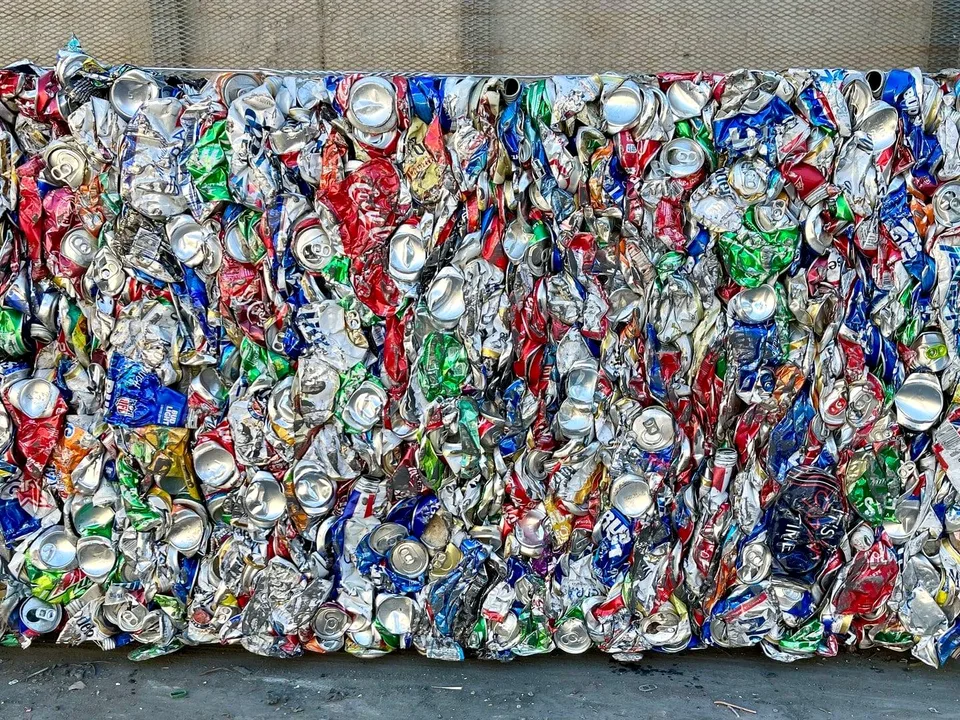
- Taldon: used beverage can scrap supplied loose, flattened, baled or briquetted, free of steel, lead, plastic, glass and other contaminants, with limits on moisture and density.
- Talcred: shredded UBC, magnetically separated and free of other materials.
- Taldack: shredded and delacquered UBC, where the coating has already been removed.
Each grade has detailed limits in the specification. If a buyer asks for a particular grade, ask which edition of the specification they use and any additional limits they apply. Our guide to aluminium scrap grades covers related grades too.
Common quality problems
UBC looks simple, but small problems create big deductions.
Moisture and liquids. Cans that still hold drink residue or rainwater add weight and create a safety hazard when charged into a furnace. Wet metal entering molten aluminium can cause violent steam explosions. Keep stock dry and under cover, and drain cans before baling.
Plastic, paper and dirt. Bottles, straws, labels, sand and food waste often get mixed into collected cans. They burn in the furnace, add fumes, increase dross and reduce Recovery %. Buyers deduct for them or reject the lot.
Other metals. Steel cans look similar to aluminium cans. A magnet test on every bale is the easiest fix. Lead, copper and zinc contamination is less common but harmful because it pushes chemistry out of specification for can stock.
Bale density and size. Very dense bales can trap moisture and contaminants, while loose material is costly to transport. Ask your buyer what bale size and density they prefer, since it depends on their shredder and furnace.
Domestic vs imported UBC
| Factor | Domestic UBC | Imported UBC |
|---|---|---|
| Source | Kabadiwalas, aggregators, events, hotels | Overseas collection systems |
| Consistency | Varies widely by collector | Often more uniform, graded to spec |
| Main issues | Moisture, mixed waste, steel cans | Freight cost, duties, documentation, lead times |
| Payment | Often quick, local terms | Letters of credit or advance, currency exposure |
Importers must also comply with India's rules on scrap imports, including inspection and documentation requirements. Check the current rules before contracting, since they are revised from time to time.
How to get a better price for UBC
- Sort at source. Separate aluminium cans from steel cans, bottles and other waste before baling.
- Keep it dry. Store indoors or under tarpaulin on a raised floor.
- Bale consistently. Uniform bales are easier to inspect, weigh and load.
- Know your recovery. If you have had melt trials done, share the results. Our guide on checking scrap recovery explains how buyers test.
- Aggregate volume. A regular monthly quantity interests serious recyclers more than one-off small lots.
Agreeing terms with a UBC buyer
Because UBC quality varies so much, write the key terms down before loading. Agree the grade name and specification edition, the maximum moisture and foreign material allowed, how a sample will be drawn and tested, and which weighbridge is final. Decide in advance what happens if a bale fails inspection: a price deduction, a partial rejection or a return at the seller's cost. Clear terms protect both sides and make it easier to repeat the deal every month. For movement, generate the e-way bill before the truck leaves and keep weighbridge slips from both ends. Check the current GST treatment for your grade before invoicing.
Who buys UBC in India?
Buyers include secondary smelters, alloy ingot makers, deoxidiser producers and, increasingly, recyclers looking to supply low-carbon metal to rolling mills. Demand for recycled content in packaging is a growing factor, linked to wider interest in green aluminium.
To sell UBC, list your lot on the sell aluminium scrap page with grade, quantity, photos and location. The AluminumBazaar desk will collect quotes from verified buyers and compare them on rate, GST, freight and payment terms.