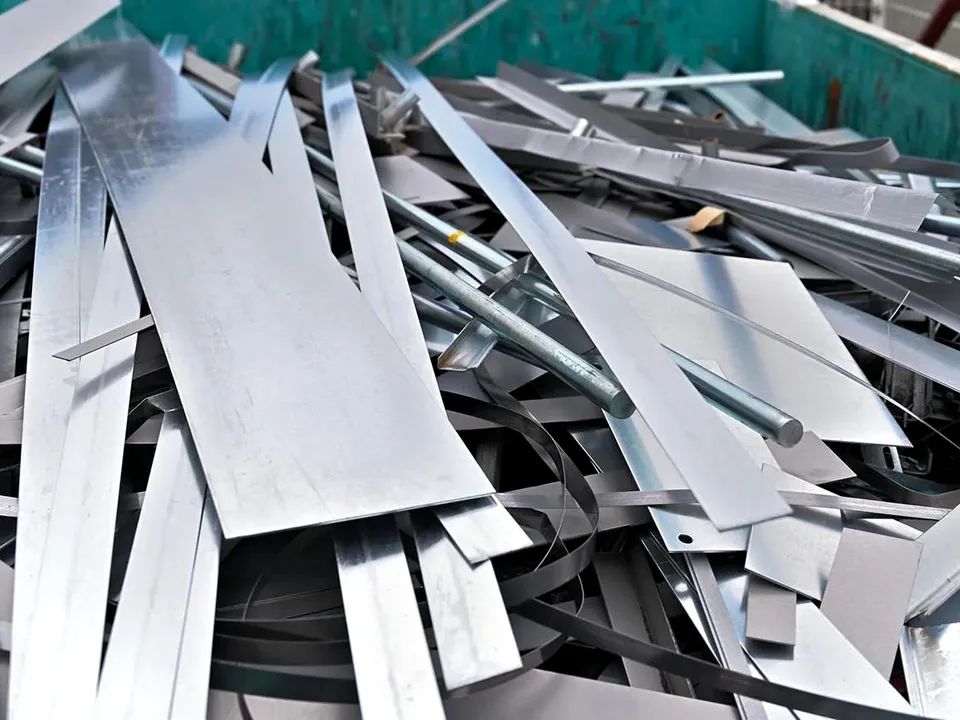
Every foundry, die caster, extruder and recycler that melts aluminium produces dross. Many treat it as waste, but dross contains recoverable metal and has real value when it is handled and sold properly. It also carries safety and environmental risks. This guide explains the types of dross, how to store it and how to sell it responsibly.
What is aluminium dross?
Aluminium dross is the layer of oxides, trapped metal and other compounds that forms on the surface of molten aluminium and is skimmed off before casting. Its composition depends on the alloy, the furnace, the flux used and how the skimming is done.
White dross vs black dross
| Type | Where it comes from | Character |
|---|---|---|
| White dross | Primary smelters, holding furnaces, clean melting without salt flux | Light grey to white, relatively high metal content |
| Black dross | Secondary melting with salt fluxes, rotary furnaces, dirty scrap | Dark, contains salts and oxides, lower metal content |
| Salt cake | Residue after recovering metal from black dross in rotary furnaces | Mostly salts and oxides; little recoverable metal; needs authorised disposal |
Skimmings from clean melting are usually closer to white dross; skimmings from fluxed melting of mixed scrap are closer to black dross.
Metal content: what decides the value
Buyers price dross mainly on Metal content %, meaning the share of metallic aluminium that can be recovered. It varies greatly from lot to lot. Factors that raise it:
- Skimming carefully and quickly, without dragging excess metal or stirring in air
- Pressing or cooling dross quickly to stop the trapped metal burning (thermiting)
- Keeping dross from different furnaces and alloys separate
- Avoiding mixing in refractory bricks, sand, floor sweepings and iron tools
Buyers often check metal content by a melt trial on a sample, much like a scrap recovery test. Agree the sampling and testing method before dispatch.
Safe storage: dross and moisture do not mix
Dross can react with water and moisture in the air, releasing heat and gases such as ammonia, and in some cases flammable gases. Hot dross can also keep burning if left in open heaps. Good practice includes:
- Cool dross quickly in a dross press, cooler or spread thinly in steel pans, away from flammable material.
- Store cooled dross in a dry, covered and ventilated area on an impermeable floor.
- Never wet dross to cool it, and keep it away from rain and standing water.
- Use closed steel bins or suitable bags, and label them by type and source.
- Do not store dross in sealed, unventilated containers where gas can build up.
- Train staff on hazards and keep appropriate fire-fighting equipment nearby.
Sell only to authorised processors
Dross and its residues, especially black dross and salt cake, are regulated under India's hazardous waste rules in many cases. Sellers have responsibilities too: selling or dumping dross with unauthorised parties can create legal exposure for the generator. Before you sell:
- Confirm the buyer holds the required authorisation from the State Pollution Control Board for processing or recycling dross.
- Keep records of quantities, dispatches and buyer authorisations, and file any returns the rules require.
- Use proper invoices and an e-way bill for movement.
Rules and their interpretation differ by state and change over time, so check the current rules with your Board.
Who buys dross?
Buyers include rotary furnace recyclers who extract metal, secondary smelters and specialist dross processors. Some processors also turn residues into products for the steel, cement or refractory industries, where permitted. White dross with high metal content attracts more interest and better terms than low-grade black dross.
Agreeing terms with a dross buyer
Because metal content varies so much, the testing method is as important as the rate. Agree in writing how samples will be drawn, whether a melt trial or another method will be used, who witnesses it and how disputes are settled. Many deals price dross on tested metal content, so a fair sample is essential. Also agree who arranges transport, whether covered vehicles are required to keep material dry, and how the buyer will confirm safe receipt and processing for your records.
How to describe a dross lot
- Type (white, black, skimmings) and source furnace or process
- Approximate quantity and generation rate per month
- Known or estimated metal content, with any past test results
- Form: lumps, fines, pressed cakes, or mixed
- Storage conditions and packing
Reducing dross formation in the first place, by good melt practice and clean charge, also cuts your metal loss. Our recycling business guide covers furnace choices that affect dross generation.
List your dross on the sell aluminium dross page. The AluminumBazaar desk will connect you with verified processors and compare offers on rate, testing method, freight and payment terms. Browse the dross catalogue to see the categories buyers look for.