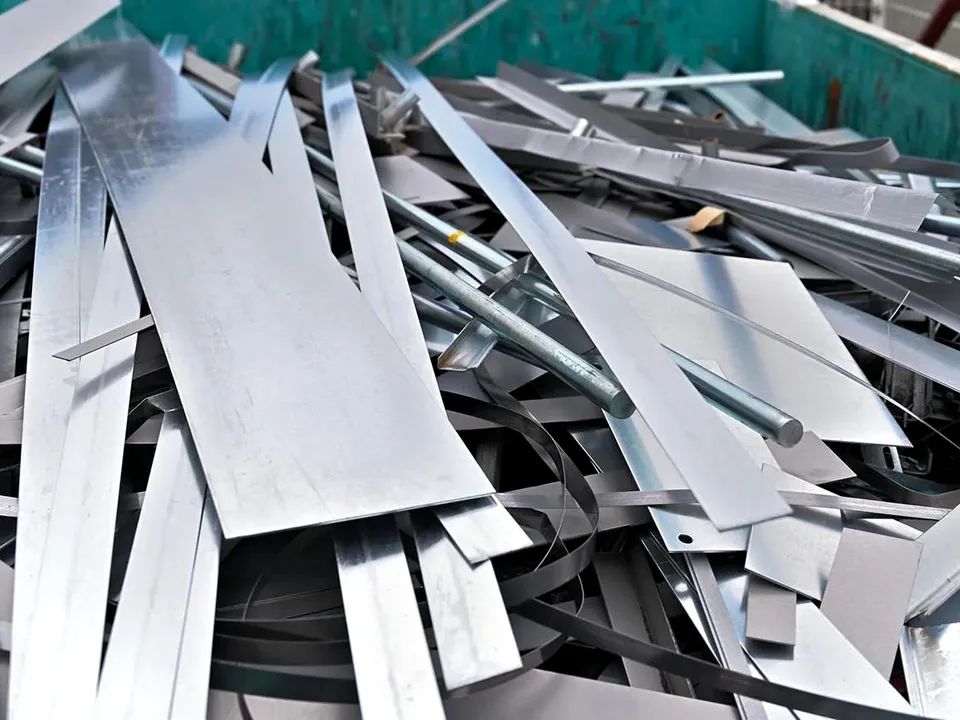
Extrusion plants, window and facade fabricators and demolition contractors all generate 6063 scrap. It is among the most valuable aluminium scrap in India because it can go straight back into 6063 billets with little refining. That value depends almost entirely on how well the scrap is segregated. This guide explains the categories, what spoils a lot and why billet casters reward clean material.
Why 6063 scrap is special
6063 is the workhorse extrusion alloy, used for window and door sections, facade systems, furniture and many industrial profiles. It is an aluminium-magnesium-silicon alloy with modest alloy content and tight limits on iron, copper and zinc. When 6063 scrap is kept alloy-pure, a billet caster can remelt it, make small chemistry corrections, and cast new billets for the extrusion press. That closed loop saves energy and avoids buying as much primary metal.
Once 6063 is mixed with other alloys, cast scrap or steel, it loses that advantage and gets sold as general wrought or mixed scrap at a lower price.
The main categories of 6063 extrusion scrap
- Clean mill-finish 6063: press butts, cut-ends, rejected profiles and offcuts without paint, anodising, plastic or steel. This is the top category.
- Anodised 6063: profiles with an anodic layer. The layer is thin and melts in with little loss, so some buyers accept it with clean material, while others keep it separate.
- Painted or powder-coated 6063: coated profiles. Coatings burn in the furnace, add fumes and dross and reduce recovery. Buyers usually price this lower or want it delacquered.
- Thermal-break sections: profiles joined by polyamide strips or resin. The plastic must be removed or the whole piece priced as contaminated.
- Old or demolition extrusions: sections from old windows and facades, often with glass, rubber gaskets, screws, hinges and sealant attached.
Under the ISRI system, mixed clean extrusion scrap is usually referred to as Tense or by buyer-specific names. See the knowledge page on extrusion scrap and our guide to scrap grades for the naming.
What spoils a 6063 lot
- Other alloys: 6061, 6082 or 7000-series pieces push copper, zinc or magnesium out of the 6063 window.
- Cast aluminium: high silicon and iron from castings cannot be diluted easily.
- Steel and stainless fittings: screws, rivets, hinges and reinforcement inserts raise iron and can damage equipment.
- Plastic and rubber: thermal breaks, gaskets and protective film burn off as smoke and reduce yield.
- Moisture, oil and dirt: add weight that buyers deduct and create safety risks at the furnace.
Why billet casters pay more for clean 6063
A billet caster sells 6063 billets to extruders who need consistent chemistry for surface finish, anodising response and mechanical properties. Clean 6063 scrap helps the caster in several ways:
- Higher recovery: less coating and dirt means more metal from each MT charged.
- Less refining: chemistry is already close to target, so fewer additions and less dilution with primary.
- Less dross: cleaner charge means lower melt loss and fewer furnace issues.
- Better billet quality: fewer inclusions and tramp elements mean fewer extrusion defects and complaints.
Because all these savings go straight to the caster's margin, clean, alloy-pure 6063 scrap usually commands a clear premium over painted or mixed scrap. The size of that premium varies with the market, so compare quotes rather than relying on rules of thumb.
How to segregate at your plant or site
- Set up separate, labelled bins for clean, anodised, painted, thermal-break and mixed scrap.
- Train press operators and fabricators to drop offcuts into the right bin at the point of cutting.
- Keep other alloys in their own bins; mark profiles from non-6063 dies.
- Strip thermal-break strips, gaskets and fittings before scrapping where practical.
- Run a magnet over each bin before dispatch.
- Store under cover and avoid oil leaks from saws and presses onto the pile.
Proving your quality
A buyer is more willing to pay a premium when you can show evidence. Useful steps include periodic spectro analysis of sample pieces, photographs of each lot, and records of past recovery from melt trials. Consistency over several dispatches builds trust faster than any single test.
Who buys 6063 scrap
Billet casters attached to extrusion plants, independent billet makers and secondary smelters are the main buyers. Clean material often goes to billet makers, while painted and mixed material tends to go to alloy ingot producers.
List your segregated lots on the sell aluminium scrap page, stating category, quantity and location. The AluminumBazaar desk will collect quotes from verified buyers so you can see the difference segregation makes.