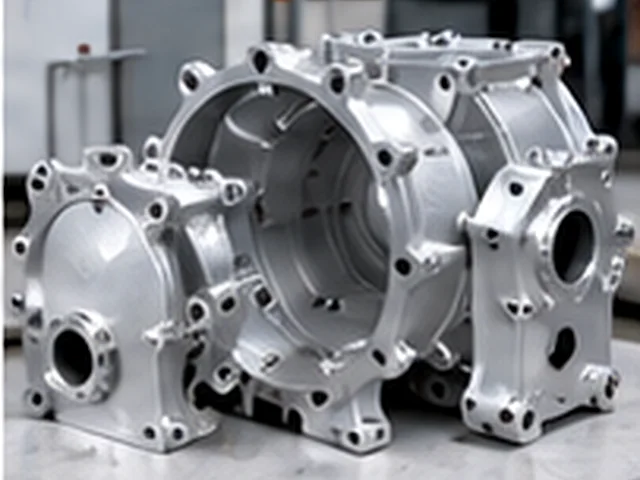
The alloy you pick for a casting decides how well it fills the die, how strong the part is, how it machines and whether it can be heat treated. Most Indian foundries use a handful of alloys: ADC12, A380 or LM24, LM6, ADC10 and A356 or LM25. This guide compares them in plain terms so you can brief your supplier and write a sensible specification.
Pressure die casting vs gravity casting
First, match the alloy to the process.
- High-pressure die casting (HPDC) injects molten metal into a steel die at high speed. It suits thin-walled, high-volume parts such as housings, covers and brackets. Alloys need excellent fluidity and resistance to die soldering.
- Gravity die casting and low-pressure casting fill the mould more slowly. They suit thicker, stronger parts such as wheels and suspension components, and often allow heat treatment.
ADC12: the default for HPDC
ADC12 is a Japanese-standard aluminium-silicon-copper alloy and the most common die casting alloy in India. It offers very good fluidity, good pressure tightness and reasonable strength, and it is made largely from recycled scrap, which keeps it cost-effective. Typical uses include two-wheeler and car engine covers, gearbox housings, motor end shields and appliance parts. Its copper content means corrosion resistance is moderate, so parts exposed to harsh environments may need coating.
A380 / LM24: close cousins of ADC12
A380 (American standard) and LM24 (British standard) are similar aluminium-silicon-copper die casting alloys. They are often specified by export customers or on older drawings. Fluidity is slightly lower than ADC12 in some comparisons and mechanical properties are broadly similar. If a drawing calls for A380 or LM24, do not assume ADC12 is an exact substitute; compare the chemistry limits element by element and agree with your customer.
LM6: for corrosion resistance and thin, complex sections
LM6 is a near-eutectic aluminium-silicon alloy with very little copper. It has excellent fluidity and much better corrosion resistance than ADC12, and it is ductile. It is used for marine fittings, pump bodies, food-contact and electrical parts, and intricate thin-walled castings. Strength is lower than copper-bearing alloys and it cannot be strengthened by heat treatment in the usual way.
ADC10: a little more strength
ADC10 is similar to ADC12 but with slightly lower silicon. It can offer marginally better mechanical properties at the expense of some fluidity. It is used where a customer specification asks for it; otherwise many foundries default to ADC12.
A356 / LM25: for heat-treated gravity castings
A356 and LM25 are aluminium-silicon-magnesium alloys with low iron and copper. They respond well to solution treatment and ageing (T6), giving high strength and good ductility. They are the standard choice for alloy wheels, suspension parts and structural castings made by gravity or low-pressure casting. Low iron is critical for ductility, so these alloys often need primary metal or very clean scrap.
Quick comparison
| Alloy | Main process | Strength | Corrosion resistance | Typical parts |
|---|---|---|---|---|
| ADC12 | HPDC | Good | Moderate | Engine covers, housings |
| A380 / LM24 | HPDC | Good | Moderate | Export housings, brackets |
| LM6 | HPDC, gravity, sand | Moderate | Very good | Marine, pumps, thin sections |
| ADC10 | HPDC | Good | Moderate | Customer-specified parts |
| A356 / LM25 | Gravity, low pressure | High after T6 | Good | Wheels, structural parts |
For more detail, see our guide on ADC12 vs LM6 vs LM24.
Melt treatment and master alloys
Even with the right ingot, melt practice matters. Gravity castings in A356 or LM25 often use strontium modification and titanium-boron grain refiners to improve structure and ductility. These come as master alloys such as AlSr10 and AlTi5B1, along with degassing and cleaning fluxes.
What to put in your specification
- Alloy name and the standard it refers to (JIS, ASTM, BS or IS)
- Chemical composition limits, especially iron, copper, zinc and magnesium
- A Spectro report per heat or lot
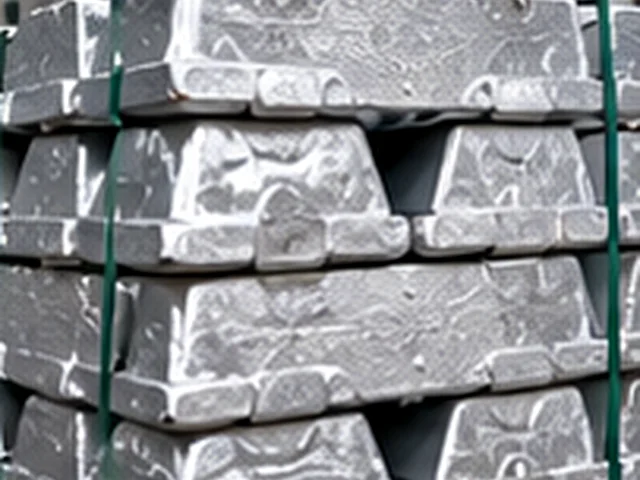
- Weight per piece, ingot shape and Packing
- Monthly quantity and delivery schedule
Common pitfalls
- Substituting alloys without approval. ADC12, A380 and LM24 are close, but an automotive customer may reject parts if the drawing alloy is changed without sign-off.
- Ignoring iron. High iron forms brittle needles that reduce ductility. It matters most in A356 and LM25 parts that must bend or take impact.
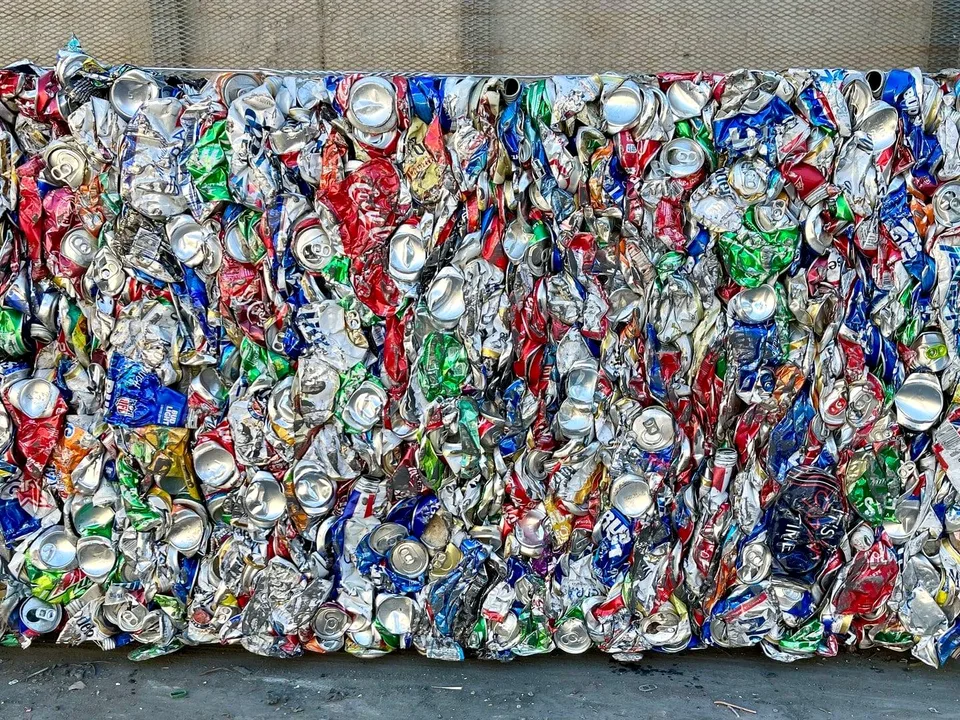
- Mixing returns carelessly. Runners, overflows and rejected castings are valuable, but mixing returns from different alloys in one furnace drifts chemistry off target.
- Buying on price alone. A cheaper ingot that causes porosity or die soldering costs more in rejections and downtime than it saves.
Run a trial lot, check the spectro results against your limits and track scrap rates on the shop floor before switching suppliers.
Post your requirement under alloy ingots and the AluminumBazaar desk will collect quotes from verified alloy makers, with spectro reports and samples arranged before your first order.