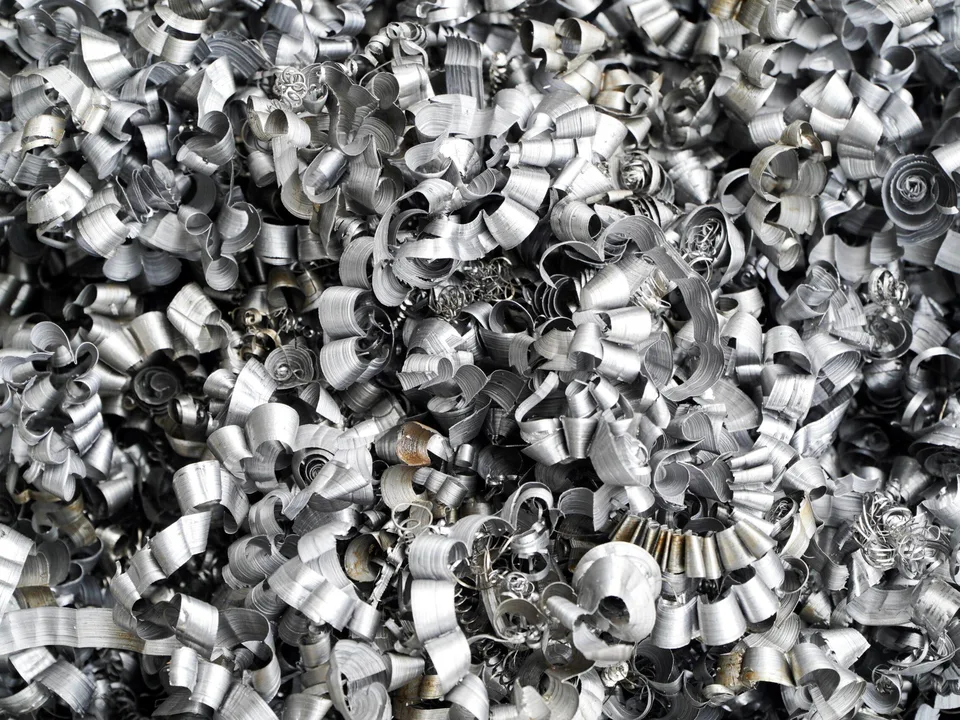
Aluminium can be recycled again and again without losing its basic properties, and remelting uses far less energy than making primary metal. That makes secondary aluminium an attractive business. It is also a business with thin margins, strict environmental duties and real safety hazards. This guide walks through the main building blocks of a recycling unit in India, without quoting costs, which vary widely by scale, location and equipment.
1. Decide what you will make
Start from the product, not the furnace. Common options include:
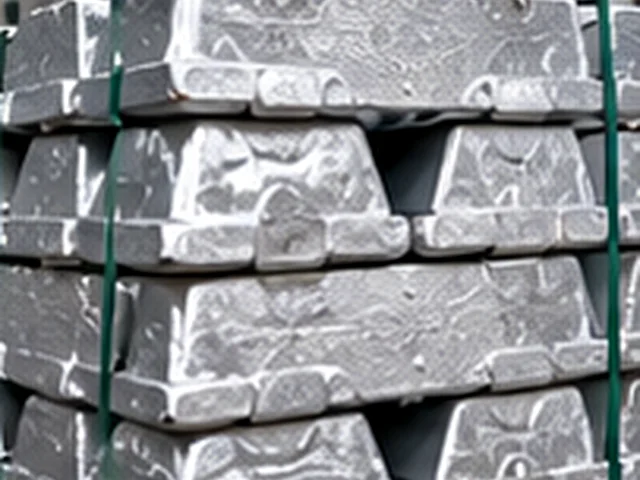
- Alloy ingots such as ADC12, LM6 or LM24 for die casters and foundries
- Deoxidiser notch bars, shots or cubes for steel plants
- Remelt ingots or sows for other melters
- Billets from clean extrusion scrap, which need more advanced casting and homogenising equipment
Each product needs different scrap, chemistry control and equipment. Talk to potential buyers early to understand their specifications and volumes.
2. Secure scrap sourcing
Raw material is the biggest cost and the biggest risk. Plan for:
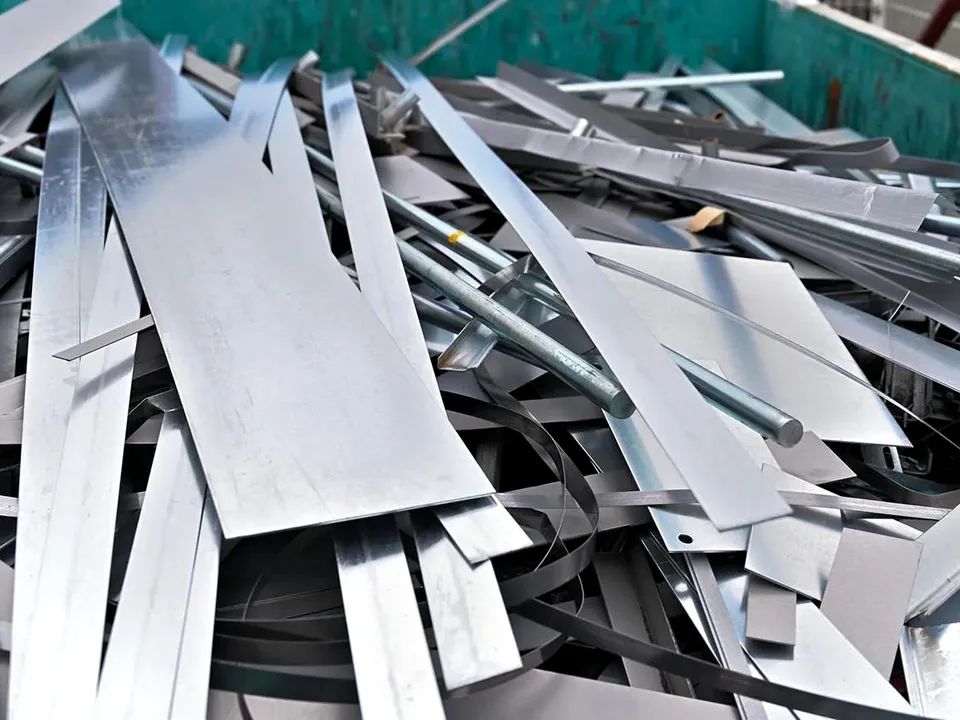
- Domestic scrap from dealers, aggregators, extruders, foundries, auto dismantlers and demolition sites
- Imported scrap, which requires compliance with import rules, inspection and documentation; check the current rules
- Sorting capability: magnets, manual picking, and ideally spectro sorting of key grades
- Grade knowledge: understand ISRI names and what each grade yields; see our guide to scrap grades
Buying on Recovery % rather than gross weight protects you from wet or dirty lots. Our guide on checking scrap recovery explains how.
3. Choose the right furnace
| Furnace | Best suited for | Points to consider |
|---|---|---|
| Rotary furnace | Dirty, oxidised or fine scrap, turnings, dross | Uses salt flux, creating salt cake that needs authorised disposal |
| Reverberatory furnace | Large volumes of relatively clean scrap and ingot | Good for alloying and holding; fuel-fired, needs emission controls |
| Induction furnace | Clean scrap, smaller batches, precise temperature | Electric; lower direct emissions but sensitive to charge cleanliness |
Many units combine furnaces, for example a rotary for dirty feed and a reverberatory or holding furnace for alloying and casting. Ancillary equipment includes scrap dryers or delacquering units, fume extraction and bag filters, ingot casting machines, dross handling and a weighbridge.
4. Get environmental and other approvals
Secondary aluminium melting is a regulated activity. You will typically need consent to establish and consent to operate from your State Pollution Control Board, along with any authorisations under hazardous waste rules for dross, salt cake and filter dust. Requirements vary by state and change over time, so check the current rules with the Board and a qualified consultant before buying land or equipment. Also plan for factory licensing, fire safety, GST registration and, where relevant, industrial area approvals.
5. Invest in testing
Buyers will not accept alloy ingots on trust. An optical emission spectrometer lets you check every heat for Chemical composition and issue a spectro report with each lot. You will also need fluxes, degassing and master alloys for chemistry correction and melt quality.
6. Handle dross and waste properly
Every melt produces dross. Recovering metal from it improves yield, but dross reacts with moisture and must be cooled and stored safely. Residues should go to authorised processors. See our dross selling guide for details.
7. Safety first
- Never charge wet or sealed scrap into molten metal; trapped water can cause explosions.
- Provide protective clothing, face shields and safety training to furnace crews.
- Keep fire-fighting equipment suited to metal fires, and do not use water on molten aluminium.
- Maintain fume extraction for worker health and compliance.
8. Plan logistics and working capital
Recycling ties up money in scrap stock, metal in the furnace and finished ingots awaiting payment. Plan how much stock you can carry, how fast buyers will pay and how you will handle price movements between buying scrap and selling ingot. Many units link their selling price to a benchmark so that a fall in the market does not wipe out the margin on stock already bought. On the logistics side, plan for truck access, covered scrap storage, a weighbridge and proper paperwork, including invoices and e-way bills, for every inward and outward movement.
9. Find buyers and build reputation
Consistency matters more than price in the long run. Supply to a tight chemistry window, deliver on time and keep documentation clean. Typical buyers include die casters, gravity foundries, steel plants and other melters. Listing your products under alloy ingots on AluminumBazaar puts them in front of buyers who post requirements, and the sell aluminium scrap section helps you understand scrap flows in your region.
Starting checklist
- Target product and buyer specifications
- Reliable scrap sources and sorting plan
- Furnace selection and pollution control equipment
- Pollution Control Board consents and waste authorisations
- Spectro testing and quality records
- Safety systems and trained staff