"Aluminium ingot" can mean a 99.7% pure P1020 ingot from a smelter or an ADC12 alloy ingot cast by a recycler from sorted scrap. Both are ingots, both are aluminium, and they are not interchangeable. Choosing the right one saves money and avoids rejected castings.
What is primary aluminium?
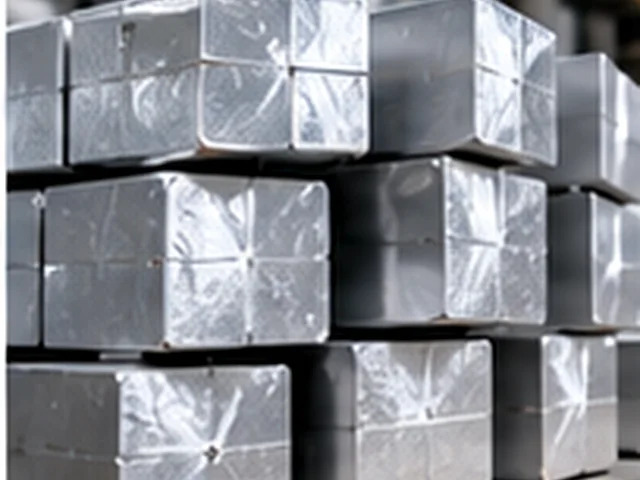
Primary aluminium is made from alumina by electrolysis in a smelter. It comes out as nearly pure metal and is cast into ingots, sows, T-bars, billets, slabs or wire rod. The best known commercial grade is P1020, which means at least 99.7% aluminium with tight limits on iron and silicon. Higher-purity grades exist for specialist uses.
Key points about primary ingots:
- Very consistent chemistry from lot to lot
- Low iron and silicon, so they act as a clean base for alloying
- Priced closest to the LME and MCX benchmarks
- Higher carbon footprint than recycled metal, especially where power comes from coal
What is secondary aluminium?
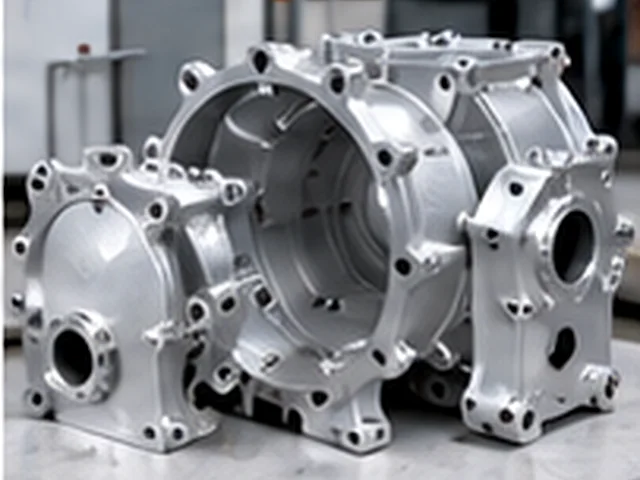
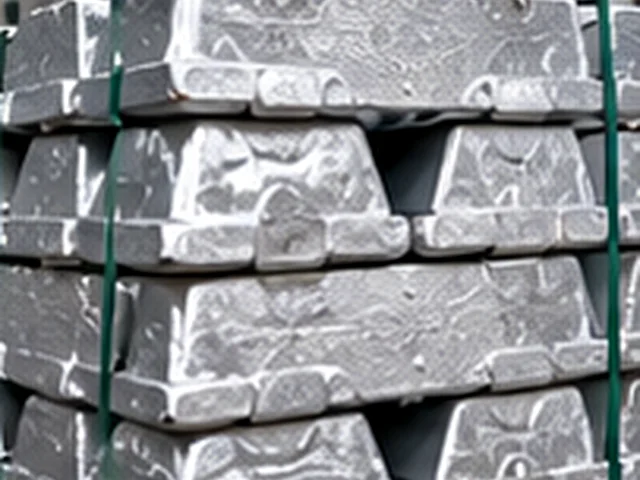
Secondary aluminium is produced by melting scrap, refining it and adjusting chemistry to a target alloy. Most secondary ingots in India are casting alloys such as ADC12, LM6, LM24, LM25/A356 and AlSi9Cu3. Some recyclers also make "remelt" ingots of lower or loosely specified purity for general use or for deoxidation.
Key points about secondary ingots:
- Chemistry is designed to an alloy standard, not to maximum purity
- Iron, zinc and other tramp elements are harder to control, so supplier discipline matters
- Usually priced below primary, though alloy additions can narrow the gap
- Lower carbon footprint because remelting uses a small fraction of the energy of smelting
Side-by-side comparison
| Factor | Primary (e.g. P1020) | Secondary / remelt alloy |
|---|---|---|
| Source | Smelter, from alumina | Sorted scrap, refined and alloyed |
| Typical form | Ingot, sow, T-bar, billet, wire rod | Alloy ingot, sometimes remelt ingot |
| Chemistry | High purity, very consistent | To alloy spec; varies by supplier |
| Main users | Rolling, extrusion billet, wire rod, alloying base, deox | Die casting, gravity casting, sand casting |
| Price basis | Close to LME/MCX plus premium | Scrap cost plus alloying and margin |
| Carbon footprint | Higher | Lower |
When primary is the right choice
- Rolling and foil: grades like 1050, 1100 and 8011 need low impurity levels that are easiest to hit with primary base metal.
- Electrical conductors: EC grade rod needs very high conductivity, which impurities reduce.
- Making your own alloys: if you control chemistry tightly, a clean primary base gives you room to add silicon, magnesium or copper.
- Steel deoxidation: many steel plants specify primary-based notch bars or shots for predictable purity, though remelt material is also used where specs allow.
When secondary is the right choice
- Pressure die casting: ADC12, A380 and similar alloys are almost always secondary. See our comparison of ADC12 vs LM6 vs LM24.
- Gravity and sand casting: LM6, LM25 and similar alloys are widely available from recyclers.
- Cost-sensitive general castings where an alloy spec matters more than purity.
- Low-carbon sourcing: customers asking for recycled content or lower embedded emissions.
What to ask suppliers
Whichever you buy, specify it properly. Ask for:
- Chemical composition limits for every element that matters to you, not just the alloy name
- A Spectro report per heat or lot
- Weight per piece and Packing (bundled, strapped, palletised)
- A Mill test certificate for primary metal
- Whether the supplier holds any required BIS certification for the product
Our guide on writing an aluminium RFQ gives a template you can copy.
Common mistakes to avoid
- Ordering by name only. Two ADC12 ingots from different suppliers can differ in iron and zinc while both claim the same alloy. Write the limits that matter to your process.
- Using remelt ingot where purity matters. A cheaper remelt ingot with unknown chemistry can spoil a rolling or conductor melt and cost far more than it saved.
- Paying primary rates for secondary metal. Ask for the source of the metal and the test report, and compare offers on the same specification.
- Skipping incoming checks. Test the first lots from every new supplier, and keep spot-checking even after you trust them.
A short trial order with a spectro check on arrival is the cheapest insurance against all four.
Bottom line
Choose primary when purity and consistency drive your process. Choose secondary when an alloy specification drives it and cost or carbon matter. Many plants use both: primary as a base or sweetener, secondary as the main casting feed.
Post your requirement under primary ingots or alloy ingots and the AluminumBazaar desk will collect comparable quotes from verified suppliers.