
The European Union's Carbon Border Adjustment Mechanism (CBAM) puts a carbon cost on certain imported goods, and aluminium is one of the covered sectors. For Indian companies that export aluminium or aluminium products to the EU, or supply those who do, CBAM changes what buyers ask for. This article explains the basics in general terms. CBAM rules, timelines and methods are still being refined, so always check the current official guidance before making decisions.
What is CBAM?
CBAM is designed to put imported goods on a similar carbon footing to goods made inside the EU, where producers pay for emissions under the EU emissions trading system. Importers of covered goods into the EU must report the emissions embedded in those goods and, once the definitive phase applies, account for them by surrendering CBAM certificates. The importer in the EU is responsible, but the data has to come from the producer, which is why Indian suppliers are being asked for emissions information.
Which aluminium products are covered?
CBAM covers aluminium in unwrought forms and a range of aluminium products such as bars, profiles, wire, plates, sheets, foil, tubes and certain structures, identified by customs codes. Coverage can change, so check the current list of covered codes against your own HSN codes and those your EU customer uses.
What are embedded emissions?
Embedded emissions are the greenhouse gases released in making a product. For aluminium they come mainly from:
- Smelting: electrolysis uses large amounts of electricity. Where that power comes from coal, the footprint is high. The process also releases direct emissions from anodes and, at times, perfluorocarbons.
- Alumina refining and other upstream steps.
- Remelting, casting, rolling and extrusion: fuel and power used in downstream processing.
CBAM methods define which emissions must be counted (direct and, in some cases, indirect) and how. The details matter, so rely on the official methodology rather than rough estimates.
Why recycled content helps
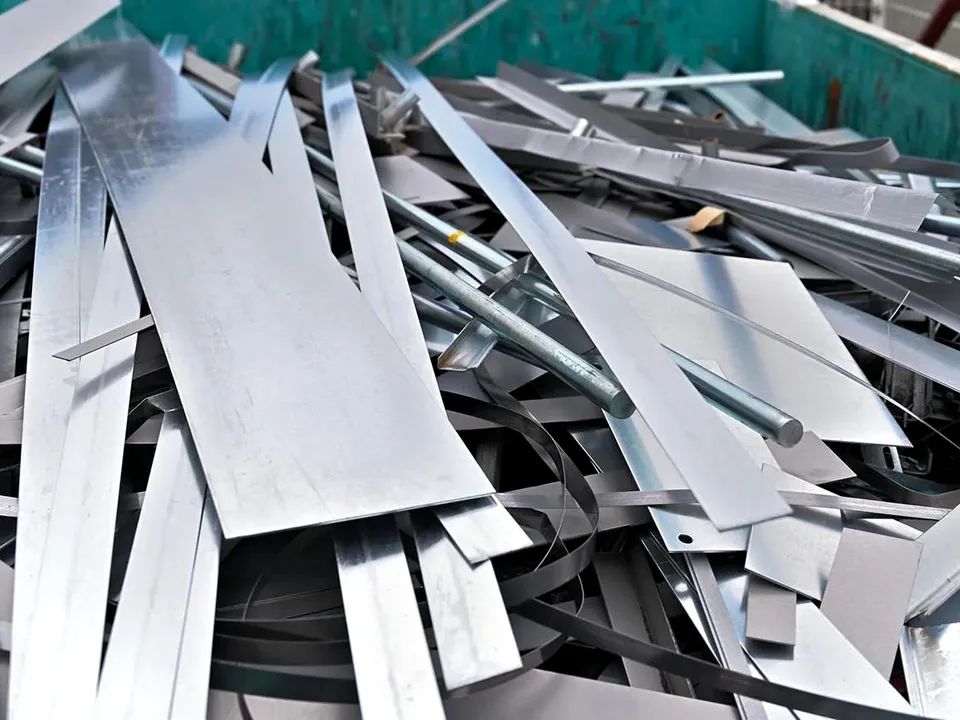
Remelting scrap uses a small fraction of the energy needed to make primary aluminium from ore. Products with higher recycled content therefore usually have much lower embedded emissions, as long as the recycling is done efficiently and the scrap is properly accounted for. This is one reason demand for green aluminium, meaning low-carbon primary or high-recycled-content metal, is rising among European buyers.
For Indian producers this creates an opportunity: well-sorted scrap, efficient remelting and clean secondary aluminium can make a product more competitive under CBAM. It also raises the value of clean, traceable scrap streams.
What documentation buyers will ask for
Expect EU importers to request some or all of the following:
- Installation-level emissions data for the production of the specific goods, following the CBAM methodology
- Information on electricity sources and consumption
- Details of inputs: the share of primary metal, purchased semis and scrap, and their emissions where required
- Recycled content declarations, ideally backed by records of scrap purchases
- Production volumes and allocation methods across products
- Verification by an accredited verifier, where the rules require it
Many importers send standard templates. Fill them carefully; inconsistent data can lead to default values being applied, which are usually unfavourable.
Practical steps for Indian exporters and suppliers
- Map your exposure. Identify which of your products, or your customers' products, go to the EU and fall under covered codes.
- Start measuring. Meter fuel and electricity by process line, and record production volumes accurately.
- Track inputs. Keep purchase records that separate primary ingots, billets, scrap and other inputs. A mill test certificate and supplier declarations help trace origin.
- Increase clean scrap use where your product specification allows it.
- Talk to your EU buyers early about the data format they need and their timelines.
- Watch for updates from the EU and from Indian government bodies, and get specialist advice for verification and reporting.
What about the domestic market?
CBAM applies to imports into the EU, not to sales within India. Even so, large Indian buyers with export exposure or their own sustainability targets are starting to ask suppliers for recycled content and emissions data. Building these records now helps in both markets.
Whether you need low-carbon primary ingots, recycled alloy ingots, or want to sell clean scrap to recyclers, AluminumBazaar can help you find verified counterparties and collect the documents your buyers ask for.