Steel plants and foundries use aluminium to remove dissolved oxygen from liquid steel. It is a small item in a steel plant's budget but a large one in its quality results. Inconsistent deoxidiser can cause variable recovery, inclusions and off-grade heats. This guide explains the common forms of aluminium deoxidiser and what to specify when buying.
Why steel needs aluminium
Liquid steel picks up oxygen during steelmaking. If it is not removed, oxygen forms gas porosity and oxide inclusions during casting. Aluminium has a strong affinity for oxygen and forms alumina, which floats into the slag. This process, called deoxidation, also helps control grain size in many steel grades. Aluminium-killed steels are widely used for flat products and deep drawing.
Common forms of aluminium deoxidiser
| Form | Typical use | Points to note |
|---|---|---|
| Notch bars | Ladle additions; bars broken at notches into measured pieces | Easy to weigh by piece count; size must be consistent |
| Shots | Ladle and tundish additions, automated feeding | Free flowing; size distribution affects dissolution and loss |
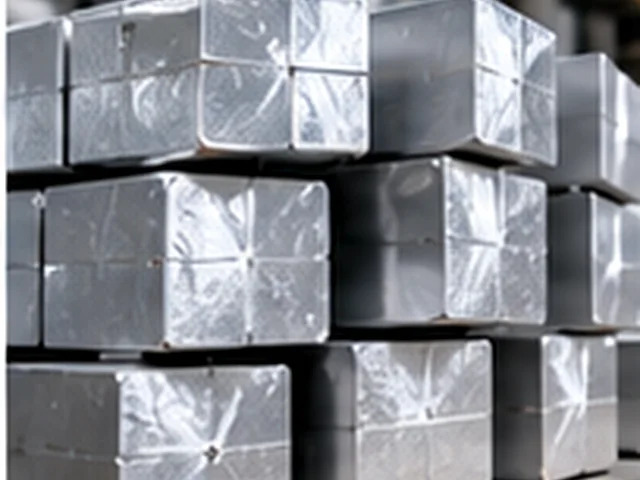
| Cubes or pieces | Ladle additions in induction furnaces and smaller plants | Uniform size helps predictable recovery |
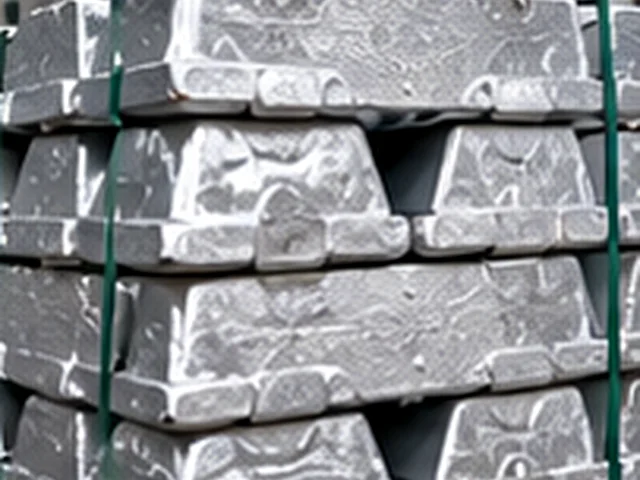
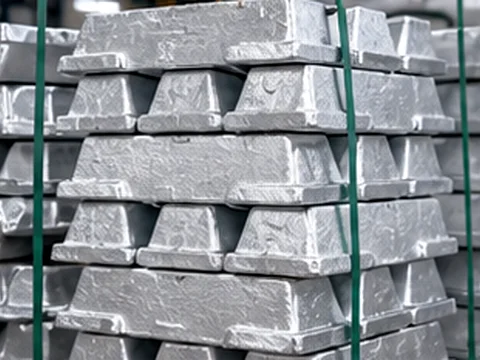
| Ingots and T-bars | Larger additions in some operations | Slower to dissolve, used less for fine control |
| Cored wire | Precise additions by wire feeder | Specialised product; specified separately |
Deoxidiser notch bars and shots are often made from primary aluminium or high-purity remelt. Some grades use secondary metal with a defined minimum aluminium content.
Why purity matters
The Al purity % decides how much active aluminium you add per kg. Lower purity means:
- Less deoxidising power per kg, so you need more material for the same result
- Unpredictable additions when purity varies from lot to lot
- Possible pickup of unwanted elements such as copper, zinc or silicon into the steel
Specify a minimum aluminium content and maximum limits for elements that matter to your steel grades, and ask for a spectro report for each lot.
Why size consistency matters
Recovery of aluminium in steel depends on how quickly it dissolves and how much burns at the slag-metal surface. Pieces that are too small can oxidise in the slag; pieces that are too large may float or dissolve unevenly. Consistent size and Weight per piece let the melt shop add the right amount by count and get repeatable results. For shots, agree a size range and the allowed percentage of fines and oversize.
Other quality checks
- Surface condition: clean, dry material without oil, paint or moisture. Wet material is dangerous when added to liquid steel.
- Dross and oxide inclusions: poorly cast bars with oxide layers reduce effective aluminium.
- Shape and breakability: notch bars should break cleanly at the notches.
- Packing: bags or bundles of consistent weight, protected from moisture.
What to put in your purchase specification
- Form: notch bar, shot, cube or ingot
- Minimum Al purity % and limits on key impurities
- Piece weight or size range, with tolerance
- Packing type and bag or bundle weight
- Spectro report per lot and right to test on receipt
- Monthly quantity and delivery schedule
- Rejection and replacement terms if a lot fails
Our guide on writing an aluminium RFQ helps you put this into a clear enquiry.
Primary or remelt deoxidiser?
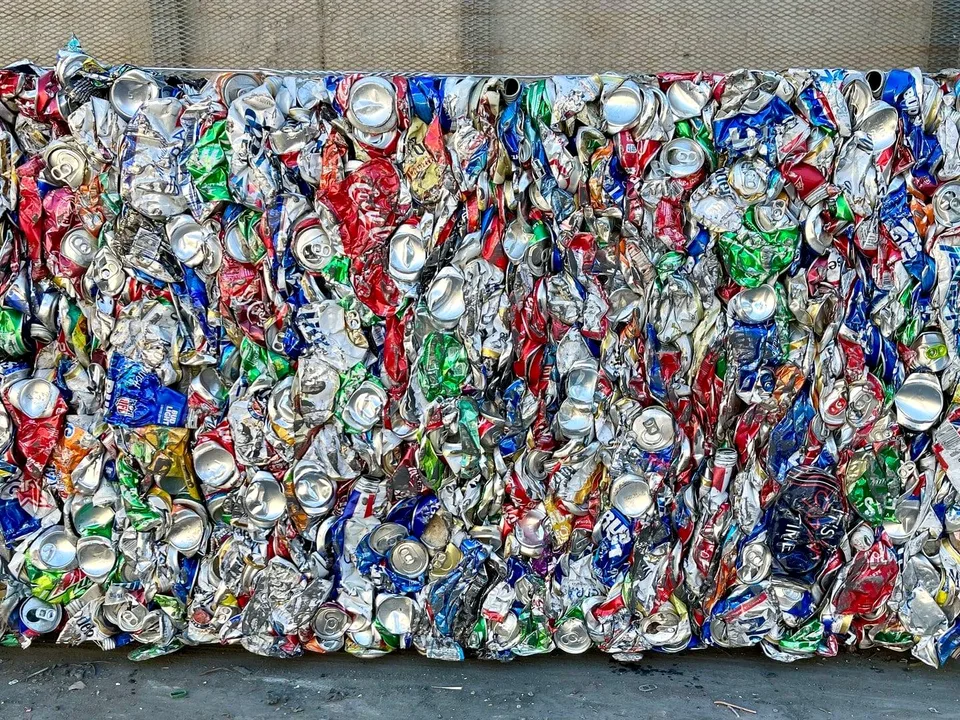
Primary-based material offers very consistent purity and is often preferred for critical steel grades. Remelt or secondary material can work for less demanding grades if its chemistry is tightly controlled and verified. Our comparison of primary and secondary ingots explains the trade-offs.
Storage and handling at the plant
Good deoxidiser can still cause problems if it is stored badly. Keep bags and bundles in a dry, covered store, off the floor and away from rain or condensation. Use stock in order of arrival so that material does not sit for long periods. Check that bags are intact before use, and never add damp or oily material to liquid steel. Keeping each supplier's lots separate and labelled also makes it easy to trace any heat with poor recovery back to the deoxidiser batch used.
Sourcing tips
- Run trial lots and track recovery in the melt shop before committing to a new supplier.
- Keep at least two qualified suppliers to protect against supply gaps.
- Agree on a pricing formula linked to a benchmark plus conversion charge, so changes are transparent.
Post your deoxidiser requirement under primary ingots. The AluminumBazaar desk will collect quotes from verified producers, arrange samples and spectro checks, and follow dispatch to delivery.