
Ask three traders why aluminium went up this week and you may get three answers. All of them can be partly right, because the price you pay in India is built from several layers. Understanding those layers helps buyers time purchases and helps sellers judge whether an offer is fair. This article explains the layers without quoting any numbers, because numbers change daily and you should always check the current rate.
Layer 1: the global benchmark (LME)
The London Metal Exchange (LME) aluminium price is the global reference for primary metal. It reflects worldwide supply and demand: smelter output, power costs, inventories, demand from construction, packaging, autos and power, and broader financial sentiment. When the LME moves, Indian primary prices usually follow, though not always on the same day or by the same amount.
Layer 2: the Indian exchange (MCX)
MCX runs aluminium futures contracts in rupees. Many Indian buyers and sellers watch MCX because it already reflects the rupee and local market mood. MCX broadly tracks the LME after currency conversion, but local demand, liquidity and duties can create a gap between the two.
Layer 3: the rupee-dollar rate
Aluminium is priced globally in dollars. If the rupee weakens, imported metal costs more in rupees even when the LME is flat, and domestic producers tend to adjust their list prices too. For importers and exporters, currency can matter as much as the metal price itself over a few months.
Layer 4: regional and physical premiums
The LME price is for a standard grade in an exchange warehouse. Real metal delivered to your plant carries a premium for location, shape, delivery time and availability. Premiums for primary ingots, billets, wire rod and sheet can move independently of the LME. A tight local market with long waiting periods pushes premiums up; a well-supplied market pulls them down. Import duties and any trade remedy measures also feed into the landed price; check the current duty structure before comparing domestic and imported offers.
Layer 5: the product premium
Further down the chain, each product adds conversion cost and margin on top of the metal:
- Primary ingots such as P1020 sit closest to the benchmark.
- Billets and wire rod add casting, homogenisation and alloying.
- Sheets, coils, extrusions and foil add rolling or extrusion, finishing and yield loss. Thin gauges, tight tolerances and special tempers cost more.
- Alloy ingots such as ADC12 or LM6 depend on the cost of the scrap and additives used to make them, and on the chemistry window demanded.
Layer 6: the scrap-to-primary spread
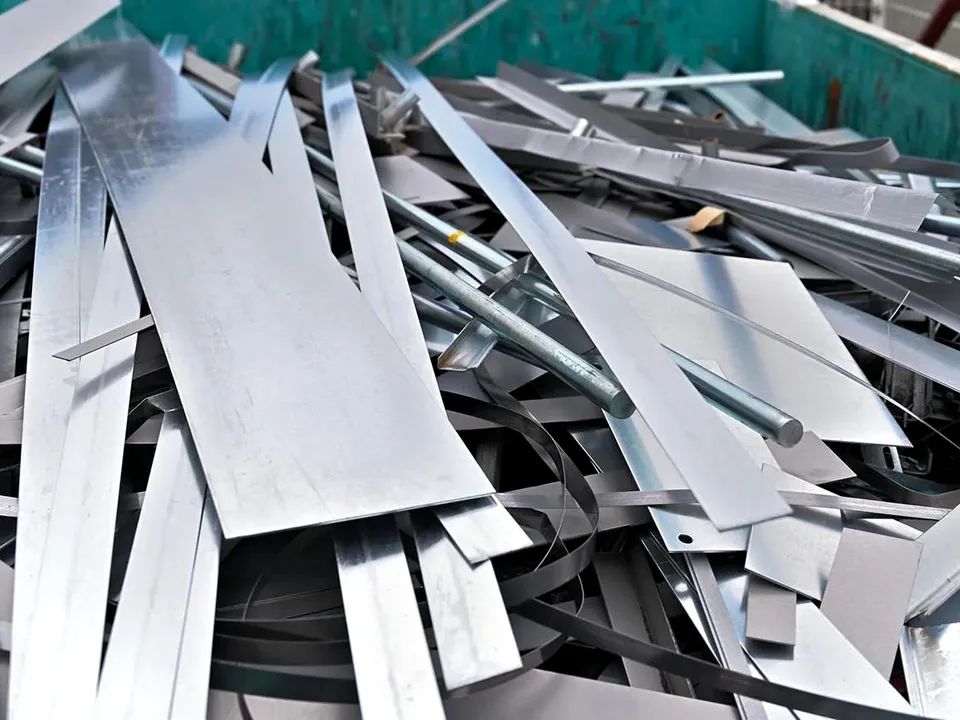
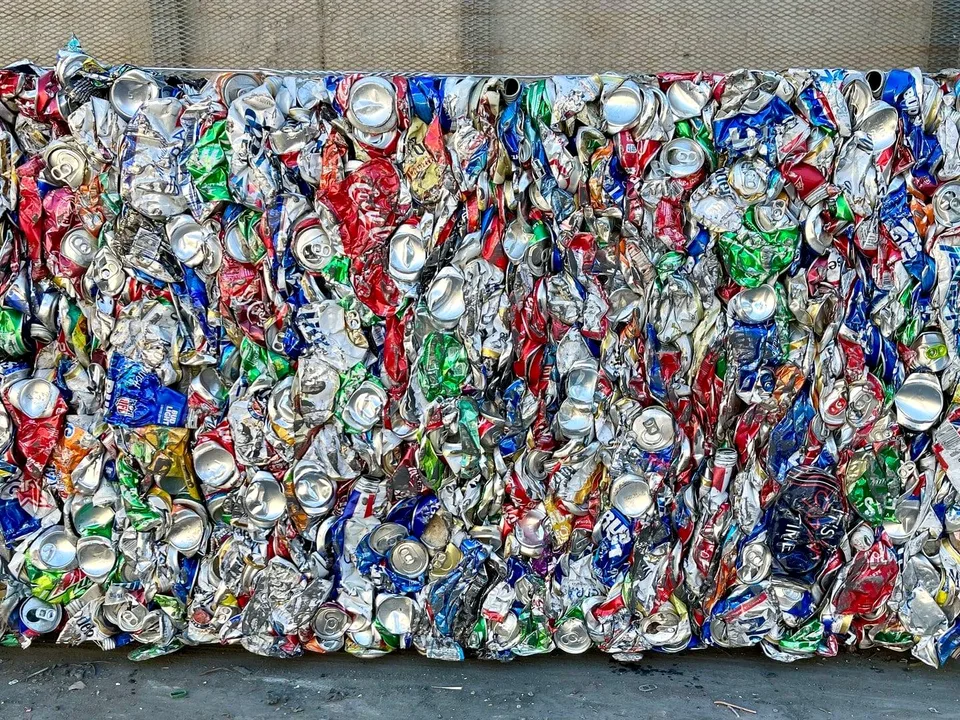
Scrap prices broadly follow primary prices, but the gap between them (the spread or discount) is not fixed. It widens when scrap is plentiful or secondary demand is weak, and narrows when die casters and alloy makers are busy and scrap is short. Clean, well-sorted grades trade closer to primary than mixed or contaminated grades because they need less processing and give better recovery. Imported scrap adds another variable: freight, duties and the overseas scrap market.
Layer 7: alloy premiums and additions
Secondary alloys use silicon, copper, magnesium and other additions. When the cost of silicon metal or copper rises, alloy ingot prices can move even if primary aluminium is steady. Tight chemistry limits, low iron requirements or certified Recycled content can also add a premium.
Layer 8: freight, GST and payment terms
Two offers with the same rate per kg can mean very different landed costs. Always compare:
- Ex-works versus delivered pricing, and the distance involved
- GST treatment and whether you can claim full input credit
- Payment terms: credit costs money, and advance payment deserves a better rate
- Packing, loading and unloading charges
Seasonal and policy factors
Demand in India has seasonal patterns. Construction slows in the monsoon, while festive-season demand lifts some consumer segments. Power sector tenders can pull conductor demand in bursts. Policy changes such as duty revisions, quality control orders or export rules can shift prices overnight; our note on the BIS quality control order explains why certification matters for some products.
How buyers and sellers can use this
- Buyers: link contracts to a benchmark (LME or MCX) plus an agreed premium rather than a flat rate, so both sides understand what moves the price.
- Sellers of scrap: track the primary trend and the spread for your grade. Better sorting narrows the spread more reliably than waiting for the market.
- Both: compare offers on landed cost, not headline rate.
On AluminumBazaar, the sourcing desk collects quotations with rate, GST, freight and payment terms laid out side by side. Browse the aluminium catalogue to post a requirement, or list material on the sell aluminium scrap page to see what buyers offer today.